

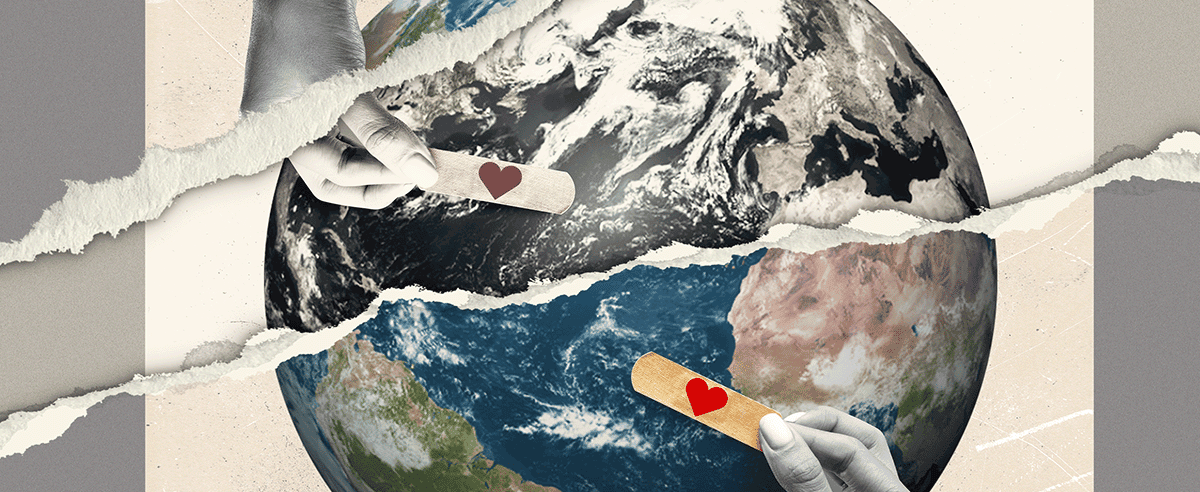
For EuroHealthNet’s Eleanor Morrissey, the phrase “we rise or fall together” is more than words—it’s a guiding principle. Growing up in the North of England, she saw firsthand how environmental challenges hit some communities harder than others, shaping her commitment to equity and wellbeing. Today, she channels that passion into projects like BEST-COST, which measures the social and economic toll of air and noise pollution, and BlueAdapt, which examines how climate change increases health risks in coastal areas. Through these initiatives, Morrissey blends strategic communication with campaign action, turning complex environmental and health issues into tangible improvements for communities.
Too often, it seems that environmental health is considered a subsection within health. Yet our surrounding environment influences every aspect of our lives, and we need to talk about it as such. From healthcare facilities to medical training, to artificial intelligence, to medicine and more, environment and sustainability should not be left out of the public health conversation. Environmental health is also not an individualised problem, and so when communicating about the topic, the messages we write and the stories we tell must make clear that fighting climate change requires collective efforts to work.
As someone who works on public health communications and uses my spare time in activism, I see how public health organisations can learn from those on-the-ground about how to communicate this urgency effectively and amplify local voices that can drive meaningful change.
Health is more than not being sick
We need to meet people where their concerns are. The saying ‘health is wealth’ is not just a cliché, it’s a fact, and one that can resonate with policymakers across the political spectrum. But health is more than avoiding being sick, it is prevention, it is care, and it is building communities that leave no one behind. While being in good health is a privilege determined by many factors, healthcare is a human right. Health extends beyond clinical care to include the social and environmental conditions of our daily lives.
Turning research into action
Through EuroHealthNet’s work on the intersection between climate and health, I see it is not just about the immediate costs from climate, such as acute health interventions, but the long-term consequences that will grow over time.
Pollution-induced illnesses cause missed work or school days, undermining socioeconomic security and personal health, because individuals cannot protect themselves from harmful pollutants – from dirty air and industrial emissions to chemicals in water and soil, and even constant noise or bright lights. After all, this burden should not be left to the individual; political action is needed.
The Horizon Europe initiative BEST-COST is addressing air and noise pollution, which are responsible for 400,000 and 12,000 premature deaths a year, respectively, according to the European Environmental Agency. These numbers aren't just statistics; they show how environmental stressors hit communities unequally, with the most vulnerable bearing the heaviest burden. BEST-COST strengthens the scientific evidence to guide policy. At the same time, another Horizon project, BlueAdapt, examines health risks in coastal areas from climate change and pollution, showing the immediate impact on both residents and tourists.
Yet information can be overwhelming, and keeping up with the alerts is exhausting. How can we make the data accessible while also identifying measures to improve this situation in the long-term. This is where strong communication becomes essential.
Interest in these projects shows that European citizens want to understand the science behind climate change and act. People want to know if their health is at risk and how to protect themselves or get involved locally. Empowered communities that demand action are harder for policymakers to ignore, as every activist understands. My work pushes me to demystify the scientific research, so that we can all push for change, not as individuals, but as a collective force for change.
Roots and resilience
Growing up in North England, you cannot escape the phrase “it’s grim up north”. It conjures up images of towns and cities covered by a layer of smoke, and of people hurrying between home and work without any chance to enjoy much else. It’s an image rooted in stereotype, but there are facts impossible to ignore as North England is a region with comparatively high social deprivation in the country.
In my home city of Wakefield, a small city located in West Yorkshire, 59% of people report good overall health compared to the national average of 82%, and the figure is lower in more deprived areas of the city. As an adolescent, you and your friends look for spaces to socialise in where you can feel like yourself. But with youth centres and programmes for children underfunded, as well as a lack of cultural spaces to meet and share interests, young people are more likely to meet each other in unsafe spaces where access to alcohol and other substances is easier.
In the UK, and across Europe, youth centres have faced huge budget cuts since 2010, leaving generations of young people without a safe space to socialise. Yet change is possible, as a £15m youth centre facility was recently announced. This shows that community activism can shape the environments in which people live and thrive.
Finding a purpose through activism
My own path into activism began in comprehensive school. I’ve worked with activists across all ages and backgrounds, and every action over the years has been defined (and driven) by a simple conviction that everybody deserves the same rights — security both inside and outside the home, access to essential services such as healthcare and education, and harmony with nature.
In 2020, as the world shut down, my passion for working on health and environmental equity was cemented. Being immunocompromised and considered a 'high-risk' from COVID-19, I could not even step outside for a solitary walk. I became confined in my own home, with my only social contact aside from my flatmate entirely online. Even as social bubbles slowly opened, I remained in solitude. It was a time when I felt more than ever how reliant I was on others to adopt lifestyle changes, so I could one day reconnect with both the human and the natural world. Healthy environments are not just access to green spaces like parks; they also include social contact and the protection of our basic human rights, ensuring that no one’s wellbeing is threatened by being forced to live in a harmful environment.
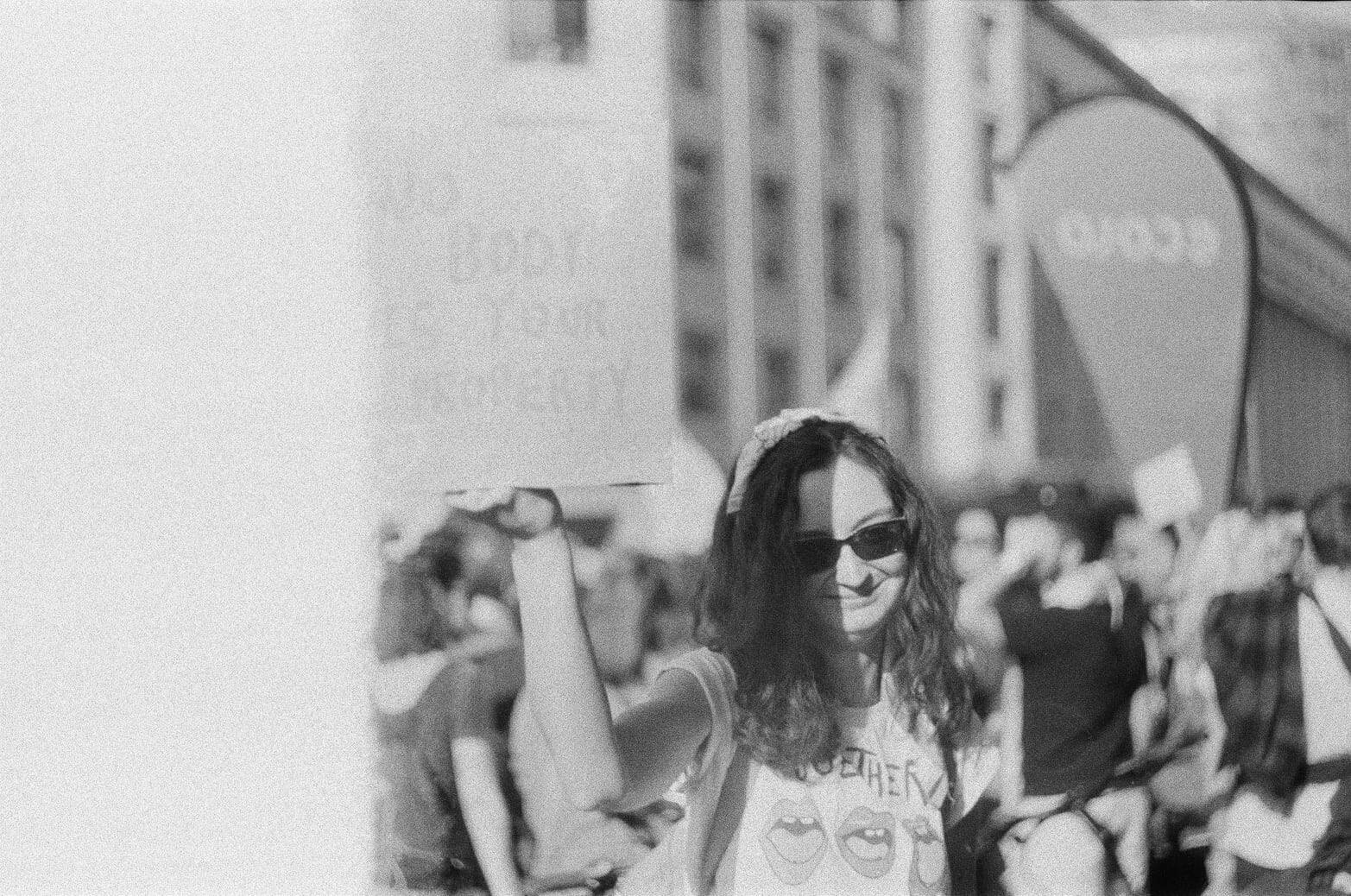
The fatigue of fighting climate change
Years of activism have also exposed me to the fatigue. The climate crisis ramps up, especially for the most vulnerable, while talks and negotiations crawl at a snail’s pace. It often feels like being stuck in a horror film: you’re waving and shouting, the monster is behind them, and they just keep dancing, headphones on, towards doom. Yet this fatigue carries another risk – acceptance. Some might think, if we’re already past the point of no return, why try now? Isn’t it easier to shut up and dance in the final moments?
We need a balance between grassroots led initiatives and high-level policy work. Activists and policymakers do not have to be on opposing sides; a shared understanding and desire to inspire change can give everyone a seat at the table. Clear, motivating communication is what bridges those worlds.
Communicate change
Communication is a constantly evolving field, and we as communicators, must adapt and readapt as opinions, politics, and legislation shifts. The same goes for activism, if you do not have your finger on the pulse, your message will go unheard. Professional communications can learn from activism to keep the narrative fresh and exciting, while activists can learn from professional communication to reach beyond their immediate audiences.
So, how can we combine the two? When looking at the science behind climate change and health, I ask myself the question: “what does it mean for me?” Personal stories are important to tell, because humans are emotional and they help us to make sense of the facts and figures. But the data cannot be ignored; it is concrete proof that threats to the environment are threats to our health. If, more than 110 million people across Europe suffer from high levels of health-damaging noise pollution, the story must warn people that they are likely to be part of that 110 million, at the same time showing policymakers how they could help.
Without strong, effective communications, this information is meaningless. Communication gives everyone a voice and empowers people to act. When combined with community action and scientific evidence, it allows us to continue the fight for healthy living environments that everyone can benefit from.
Discover more about health and climate with EuroHealthNet’s new video series highlighting promising practices that are building healthier environments across Europe.

Eleanor Morrissey
Eleanor joined EuroHealthNet as the Climate and Health Communications Officer, where she works on dissemination and engagement strategies for projects related to health and climate, including BEST-COST and BlueAdapt, as well as the EuroHealthNet #BuildForHealth video series.
Eleanor has also been involved with climate, social, and human rights activism since she was young, including as co-spokesperson of an international youth political party from 2020-2022.